Jason Collins Battles Aggressive Brain Cancer
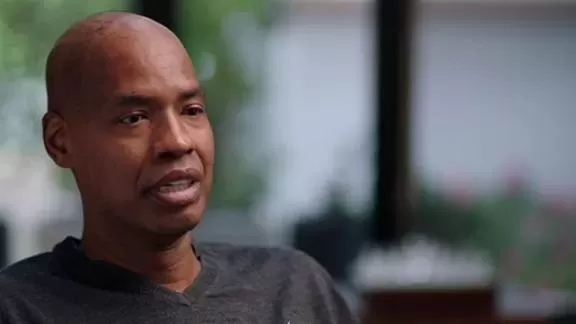
Jason Collins, a trailblazing figure in professional sports, has revealed his courageous battle with a highly aggressive form of brain cancer. The former NBA player, who made history as the first openly gay man to compete in a major US professional sports league, shared on Thursday that he is facing stage 4 glioblastoma, one of the most challenging diagnoses in neuro-oncology.
Collins, 47, described the swift onset of his illness, noting that symptoms such as memory lapses and difficulty concentrating emerged rapidly. He explained that initial signs appeared over a week or two, and his athlete's instinct to "push through" initially masked the severity. However, a CT scan in August confirmed the alarming extent of the "multiforme" glioblastoma, which was reportedly growing at a pace that could be life-threatening within weeks.
Supported by his husband, Brunson Green, and a network of loved ones, Collins has embarked on an aggressive treatment regimen. This includes medication, followed by radiation and chemotherapy, and he is currently seeking innovative therapies at a clinic in Singapore.
Reflecting on his current fight, Collins drew a parallel to his decision to publicly share his sexual orientation. He expressed a similar sentiment of stepping into uncharted territory, stating, "I feel like I'm right back in that position now, where I might be the first person through this wall." He is determined to confront the disease head-on, employing a multi-pronged approach that includes experimental immunotherapy.
Collins also shared a poignant memory of his grandmother, who battled stage 4 stomach cancer. While she disliked the word "cancer," Collins has embraced it. He declared, "I don't care if you say the word. I have cancer, but just like my grandmother fought it, I'm going to fight it." His resolve underscores a powerful commitment to facing this formidable challenge with unwavering determination and hope for advanced treatment options.