Canary Islands Sea Urchin Pandemic: Ecological Collapse
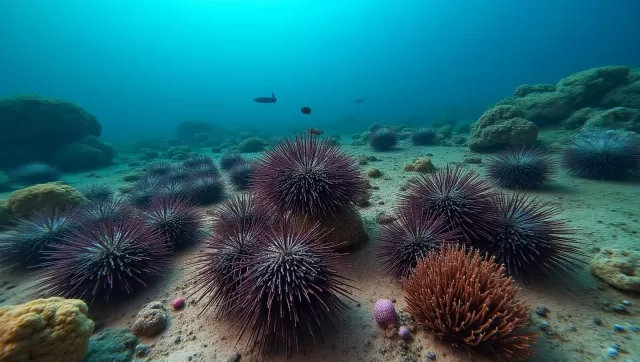
Sea urchins are often described as the gardeners of the ocean floor. Operating much like large grazing animals on land, these spiny invertebrates play a pivotal role in maintaining the health of rocky reefs. By consuming seagrass and trimming back fast-growing algae, they prevent aquatic plants from smothering slower-growing organisms, including vital coral colonies and calcifying algae.
However, this ecological relationship relies heavily on balance. In healthy environments, sea urchin populations are kept in check by predators such as fish, crustaceans, and marine mammals. When these natural predators are removed—often due to overfishing—urchin populations can explode. This overabundance leads to aggressive grazing that strips the seafloor bare, resulting in "urchin barrens," vast areas devoid of the plant life necessary to support diverse marine habitats.
A New Wave of Mass Mortality in the Atlantic
Recent research indicates that the balance has swung violently in the opposite direction. A pandemic that has been decimating sea urchin populations globally has made a severe impact on the Canary Islands. Between 2022 and 2023, a massive die-off event swept through the archipelago, targeting Diadema africanum, a long-spined sea urchin species common in the eastern Atlantic.
While similar die-offs have been recorded in the Red Sea, the Caribbean, and the Mediterranean, the situation in the Canaries is particularly acute. For decades, Diadema africanum had been thriving, with populations climbing steadily since the 1960s due to warmer waters and a lack of predators. Attempts to artificially control these booming numbers between 2005 and 2019 were largely ineffective. Now, nature has intervened with devastating efficiency.
Symptoms and Spread of the Contagion
The current outbreak was first detected in February 2022 in the western islands of La Palma and La Gomera. Over the subsequent months, the contagion migrated eastward, leaving a trail of devastation. Divers and researchers observed distinct, harrowing symptoms in the affected urchins:
- Lethargy: A marked decrease in movement and activity levels.
- Loss of Reflexes: A failure to respond to external stimuli or threats.
- Erratic Behavior: Unusual movement patterns inconsistent with healthy grazing.
- Physical Deterioration: The eventual loss of spines and flesh, leading to death.
This is not the first time the region has faced such a crisis. Significant mortality events occurred in 2008 and 2018, wiping out over 90% of the population in certain areas. However, historical data showed that populations typically rebounded relatively quickly after those outbreaks. The 2022 event differs significantly; rather than recovering, the populations faced a second wave of mortality in 2023, preventing any potential bounce-back.
Historic Lows and Reproductive Collapse
To assess the full scope of the damage, researchers conducted extensive underwater surveys across 76 sites spanning the seven main islands of the archipelago. These physical counts were supplemented by data from professional divers regarding abundance levels at popular dive sites.
The findings paint a grim picture of near-total collapse. The abundance of Diadema africanum has plummeted to historic lows, pushing the species toward local extinction in several areas. The statistical drop in populations since 2021 is staggering:
- La Palma: Recorded a population decrease of approximately 74%.
- Tenerife: Suffered a catastrophic decline of 99.7%.
Beyond the immediate death toll, the future of the species is compromised by a failure to reproduce. During the peak spawning season in September 2023, researchers set traps to capture drifting larvae. The results showed a near-total absence of larvae, and follow-up surveys in early 2024 detected no new juveniles settling in the shallow rocky reefs.
Investigating the Mystery Pathogen
The specific biological agent responsible for this devastation remains unidentified. In other parts of the world, similar mass mortality events in sea urchins have been linked to a single-celled ciliate parasite known as Philaster. Conversely, previous die-offs in the Canary Islands were attributed to amoebae, specifically Neoparamoeba branchiphila.
Environmental factors appear to play a triggering role. The recent outbreak followed periods of unusual wave activity and strong southern swells, conditions that mirrored those preceding earlier die-offs. Whether the pathogen was introduced via shipping currents from the Caribbean or is a dormant local agent activated by climate change remains an open question.
While populations of Diadema species in Australia and Southeast Asia currently appear unaffected, the unpredictability of this marine pandemic leaves scientists cautious. The ecological void left by the disappearance of these key grazers will likely have profound, cascading effects on the reef ecosystems of the Canary Islands for years to come.