Unregulated Scans Risk Baby's Health, Peace of Mind
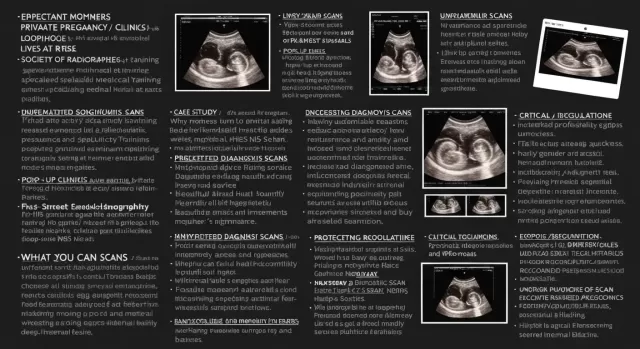
The joyous anticipation of parenthood often leads expectant mothers to seek extra glimpses of their developing baby. While private pregnancy scans can offer cherished memories and reassurance, a growing concern is emerging within the healthcare industry: the proliferation of unregulated clinics staffed by unqualified individuals performing these vital ultrasounds. This trend, experts warn, is putting lives at risk and capitalizing on maternal anxieties.
The Sonographer Title: A Loophole for Concern
At the heart of the issue lies the current lack of regulation surrounding the title of "sonographer." According to the Society of Radiographers (SoR), an esteemed industry body, anyone with access to an ultrasound machine can legally call themselves a sonographer and offer their services. This means individuals without specialized medical training or qualifications are performing ultrasounds on pregnant women, potentially leading to grave errors.
When "Souvenir Scans" Turn into Serious Mistakes
While many private clinics operate with integrity and employ qualified professionals, a concerning number of "pop-up" clinics, often found in high-street locations and shopping centres, are less scrupulous. These establishments frequently market themselves for entertainment purposes, offering "souvenir" 3D/4D images or early gender reveals. However, their services can extend to crucial diagnostic scans, where errors can have devastating consequences.
The SoR highlights that these unregulated clinics have been known to dispense "dangerous" advice. The BBC reports instances where pregnant women have been:
- Incorrectly diagnosed with serious health conditions: This can lead to unnecessary stress, anxiety, and potentially harmful medical interventions based on flawed information.
- Told their baby had an "abnormality" requiring termination: Tragically, some women have been advised to end their pregnancies based on inaccurate scan results, only to discover later that their baby was perfectly healthy.
A Mother's Nightmare: A Case Study
A stark example shared by a former hospital sonographer illustrates the severity of this problem. One woman, around eight to nine weeks pregnant, was referred for an induced miscarriage by a private clinic. The clinic claimed there was no heartbeat and that the baby was "very, very malformed." Understandably, the woman was distraught. However, upon undergoing a scan at an NHS hospital, the "beautiful nine-week pregnancy with a heartbeat" was clearly visible, and the baby was found to be "absolutely fine." This harrowing experience underscores the life-altering potential of unqualified advice.
What Can Be Missed? The Critical Diagnostic Gaps
The lack of stringent regulation means that critical fetal abnormalities can be overlooked by untrained practitioners. This includes conditions like:
- Spina Bifida: A birth defect where the spinal cord doesn't close properly.
- Polycystic Kidneys: A genetic disorder causing numerous cysts to grow in the kidneys.
Furthermore, potentially life-threatening conditions such as ectopic pregnancies – where a fertilized egg implants outside the uterus, typically in the fallopian tube – may go undetected. An ectopic pregnancy is a medical emergency that requires immediate attention to prevent severe internal bleeding.
Why Are Expectant Mothers Turning to Private Scans?
Despite the inherent risks, many expectant mothers opt for private scans for a variety of understandable reasons:
| Reason for Private Scans | Description |
|---|---|
| Reassurance and Anxiety Reduction | For mothers experiencing anxiety during the waiting period for their first NHS scan (around 12 weeks), private scans offer early reassurance. |
| Enhanced Imaging (3D/4D) | Many private clinics provide detailed 3D and 4D images and videos, offering a more lifelike view of the baby that standard NHS scans don't typically offer. |
| Early Gender Reveal | The desire to know the baby's sex earlier than the 20-week NHS scan is a significant draw for many parents. |
| Souvenir Keepsakes | The emotional value of capturing early images and videos of their unborn child for precious keepsakes. |
| Perceived Convenience and Accessibility | Some private clinics may offer more flexible appointment times or quicker access than the NHS. |
Eva Wiseman, writing in The Guardian, aptly stated that these unregulated clinics are "making money out of maternal fears." The allure of "witnessing, with your eyes, some proof of a future" is powerful, and the proliferation of these businesses reflects this deep-seated human desire.
The Call for Regulation: Protecting Mothers and Babies
The Society of Radiographers is urgently calling for the implementation of new regulations to safeguard expectant mothers and their babies. Their key demand is for the title of "sonographer" to become a "protected" professional title. This would mean that only individuals who possess the necessary qualifications and are registered with a recognized regulatory body could legally use this title.
"People don't realize that anybody can buy a machine and call themselves a sonographer," emphasizes Katie Thompson, SoR president and a practicing hospital sonographer. This lack of public awareness is a significant contributing factor to the problem.
What You Can Do: Ensuring Safe Scans
If you are considering a private pregnancy scan, it is crucial to be informed and discerning. Here are some steps you can take:
- Verify Qualifications: Always ask about the qualifications and professional registration of the sonographer performing your scan. They should be registered with a recognized professional body.
- Choose Reputable Clinics: Opt for private clinics that have a proven track record and positive testimonials from trusted sources.
- Understand the Purpose of the Scan: Be clear about whether you are seeking a diagnostic scan or a purely elective/souvenir scan. Diagnostic scans should always be performed by qualified medical professionals.
- Prioritize NHS Scans: Remember that NHS scans are performed by highly trained professionals and are designed to monitor your baby's health effectively.
- Seek a Second Opinion: If you receive concerning news from a private clinic, always seek a second opinion from your NHS healthcare provider or a reputable, regulated private medical facility.
A Summary of Key Concerns
| Issue | Impact on Expectant Mothers |
|---|---|
| Unqualified Practitioners | Risk of misdiagnosis, missed abnormalities, unnecessary anxiety, and potentially harmful medical advice or interventions. |
| Lack of Regulation | No standardized training or accountability for individuals performing scans, leading to inconsistent quality of care and potential for exploitation. |
| Misinformation and False Alarms | Women being told of serious issues that do not exist, leading to significant emotional distress and potentially unnecessary terminations. |
| Missed Critical Conditions | Failure to detect serious fetal abnormalities (e.g., spina bifida) or life-threatening maternal conditions (e.g., ectopic pregnancy). |
| Exploitation of Maternal Anxiety | Unscrupulous clinics capitalizing on expectant parents' desire for reassurance and information, offering services that may not be medically necessary or appropriately delivered. |
The desire to connect with and ensure the well-being of your unborn child is a powerful one. By understanding the risks associated with unregulated pregnancy scans and advocating for professional standards, expectant parents can make informed choices to protect their health and the health of their precious baby.
FAQs
Q1: Are all private pregnancy scan clinics unsafe?
No, not all private pregnancy scan clinics are unsafe. Many reputable clinics employ highly qualified and registered sonographers who provide excellent care. The concern is primarily with the unregulated sector, where individuals without proper training may be offering diagnostic services. It is crucial to research and verify the credentials of any clinic you consider.
Q2: What qualifications should a sonographer have?
A qualified sonographer, particularly one performing diagnostic medical ultrasounds, typically holds a relevant degree or diploma in medical ultrasound or radiography. They should also be registered with a professional body, such as the Society of Radiographers in the UK, which ensures adherence to professional standards and ethical practice.
Q3: If I'm feeling anxious, is a private scan the best option for reassurance?
While private scans can offer reassurance, it's important to have realistic expectations. If you have genuine concerns about your pregnancy or your baby's health, your first port of call should always be your NHS healthcare provider. They can assess your situation and recommend appropriate scans or tests if necessary. For early reassurance, consider discussing your anxieties with your midwife or doctor.
Q4: What is the difference between a diagnostic scan and a souvenir scan?
A diagnostic scan is performed by a qualified medical professional with the primary purpose of assessing the health and development of the fetus. It adheres to strict medical protocols. A souvenir scan, often offered by unregulated clinics, is primarily for entertainment or keepsake purposes, such as providing 3D/4D images or revealing the baby's sex. While they may use similar equipment, the skill and intent behind them can differ significantly, and souvenir scans should never be relied upon for medical diagnosis.