Pneumonia: A Global Fight for Every Breath
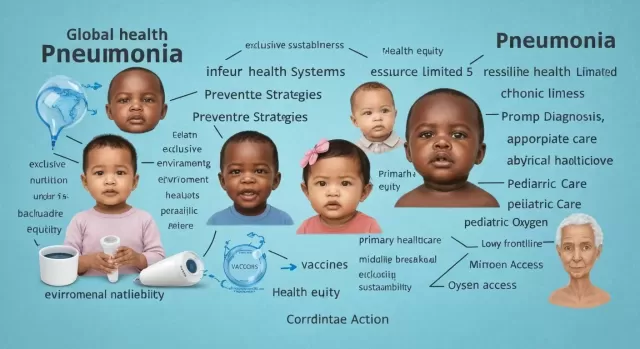
Pneumonia continues to be a formidable global health challenge, standing as one of the most significant infectious causes of death worldwide. It disproportionately affects the most vulnerable, claiming the lives of more children under the age of five than any other infection. Elderly populations and individuals living with chronic illnesses, especially in resource-limited settings, also face a severe risk from this disease.
Safeguarding communities from this threat requires a foundation of resilient and accessible health systems. The goal is twofold: to deliver effective preventive strategies to every doorstep and to ensure that anyone showing symptoms receives a prompt diagnosis and appropriate care, including critical treatments like antibiotics and medical oxygen.
A Persistent Global Health Threat
The battle against this respiratory illness is far from over. It remains a leading killer in pediatric care, highlighting an urgent need for sustained intervention and resources. The burden is not shared equally, with low- and middle-income nations bearing the highest cost in terms of illness and lives lost.
Building Resilient Health Systems
The cornerstone of an effective response lies in reinforcing primary healthcare infrastructure. This involves equipping frontline health workers with the necessary skills and tools to identify and treat cases early. A robust system ensures that preventive measures are universally available and that diagnostic and treatment pathways are clear and efficient.
Proven Strategies for Prevention
We possess the knowledge and tools to make a significant impact. Implementing the following evidence-based interventions is critical to turning the tide:
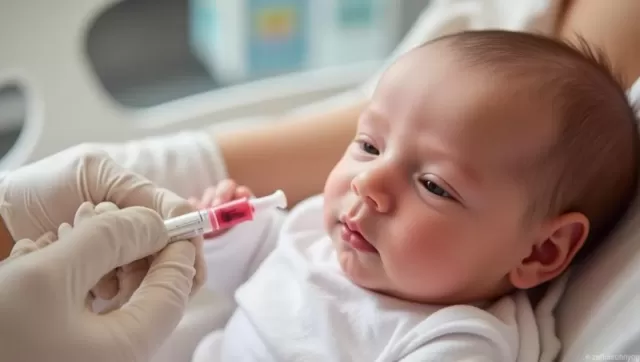
- Vaccination: Guaranteeing widespread immunization against common pathogens like Hib, pneumococcus, measles, and whooping cough.
- Infant Nutrition: Championing exclusive breastfeeding for the first six months of life, coupled with continued adequate nutrition.
- Healthy Environments: Combating indoor air pollution from cooking fuels and reducing exposure to tobacco smoke.
Closing the Gap in Care and Equipment
Achieving health equity is paramount in this fight. Progress must be continuously monitored to identify and address disparities in the distribution of vaccines, diagnostics, and treatments. Furthermore, controlling this disease must be integrated into broader initiatives focused on child health, aging, and environmental sustainability. A critical component is:
- Increasing Oxygen Access: Guaranteeing that every clinic and hospital, particularly in underserved areas, has a reliable supply of medical oxygen and the necessary equipment, such as pulse oximeters for diagnosis, along with the training to use them effectively and safely.
Through coordinated and committed action, we can ensure that every breath is protected and every life is valued.