Cadillac Optiq-V: Electrifying Power, Subdued Thrill
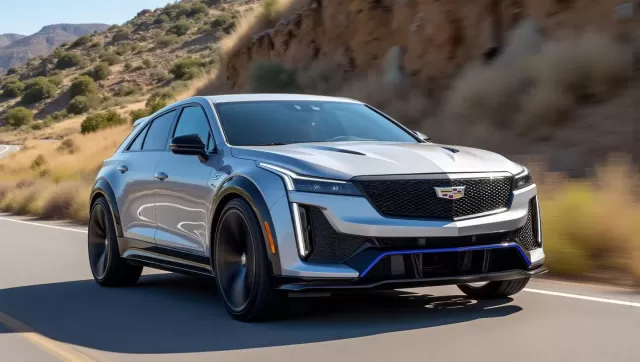
On paper, the 2026 Cadillac Optiq-V boasts a staggering 519 horsepower, a figure that should silence any doubts about its performance credentials. Cadillac even claims a zero to 60 mph time of just 3.5 seconds, outperforming any gasoline-powered V-series model. Yet, experiencing the vehicle firsthand reveals a disconnect between the impressive specifications and the actual sensation of driving. The raw numbers are there, but the visceral thrill one expects from a performance-badged vehicle feels muted.
A significant detail that isn't highlighted in the marketing is that the full 519 horsepower is exclusively accessible in a special "Velocity Max" mode. In standard driving modes like Tour, a 30-mph rolling start feels brisk, but it's the kind of effortless surge common to most all-wheel-drive electric vehicles, not a truly heart-pounding experience. Even when using launch control, the Optiq-V deploys its 650 lb-ft of torque with a polite, measured smoothness. The takeoff is more like a high-speed maglev train than a drag-strip monster, designed for seamless acceleration without any drama. There's no jolt to the driveline, no feedback through the steering wheel, and barely a whisper from its high-performance Continental SportContact 6 summer tires. The power is undeniable, but its delivery leaves you wanting a more exhilarating and engaging character.
Engineered with Upgraded Hardware
Cadillac has been making significant strides in the EV space, rapidly building a comprehensive lineup of electric SUVs that mirror its internal combustion offerings. These new models have successfully recaptured a level of luxury and prestige for the brand, largely due to their lavish interiors. As other manufacturers ease their EV rollouts, Cadillac is pushing forward with performance-oriented V versions. The Optiq-V follows the larger Lyriq-V, employing a classic hot-rodding technique: installing the powerful permanent-magnet motors from its larger sibling into a more compact and lighter chassis.
The V-series treatment extends far beyond a simple motor swap. The engineering team meticulously stiffened nearly every suspension component, bushing, and mount to enhance body control and sharpen responses. The electronically controlled dampers can be firmed up instantly via the central touchscreen. To combat understeer, the rear anti-roll bar is an incredible 185 percent stiffer than the one on the standard Optiq AWD. Furthermore, the torque management system has been recalibrated to actively send power to the outside rear wheel during cornering. Stopping power is handled by massive 15.4-inch brake discs clamped by six-piston Brembo calipers, working in concert with optional 21-inch summer tires for exceptional grip.
A Disconnected Driving Experience
When tested on an autocross course, the Optiq-V demonstrated its capabilities but failed to truly excite. It navigates corners with minimal body roll, and its powerful brakes inspire confidence. However, its handling dynamic defaults to understeer, though a skilled driver can provoke some rear-end rotation with aggressive pedal work. The primary issue lies with the steering. It feels heavy, artificially stiff, and slow to respond—a trait common across many of GM's recent EVs. This sluggish steering makes the Optiq-V feel hesitant and larger than it is, detracting from the agility one would expect. A brief drive in the new rear-wheel-drive Optiq offered a glimpse of what could have been. Despite having 204 fewer horsepower, the single-motor model is more enjoyable thanks to steering that feels light, communicative, and lively—a stark contrast to the V's numb setup.
On public roads, the Optiq-V settles into its role as a comfortable and luxurious cruiser, sharing the same strengths as the standard models. The cabin is packed with technology, including a 19-speaker Dolby Atmos audio system and the Super Cruise hands-free driving assistant. Even on imperfect pavement, the ride remains composed, with only a minor patter from the suspension reaching the otherwise quiet and richly appointed interior, assuming you appreciate the vibrant blue trim accents.
A Product of Digital Design
The character of the Optiq-V is, in part, intentional. The V-series designation has evolved; it no longer represents the track-focused, razor-sharp machines of the past. That extreme performance niche is now filled by the V Blackwing lineup. Today's V models are positioned to compete against vehicles like Audi's S and BMW's M Sport lines, which prioritize accessible performance upgrades over the nuanced driving dynamics sought by hardcore enthusiasts.
However, the vehicle's subdued personality may also be a consequence of its heavily digital-focused development. GM largely bypassed the traditional prototype phase, moving directly to preproduction builds. This meant early evaluations relied on simulations and lab data rather than real-world driving impressions. The chief engineer noted this resulted in a more rigorous, data-driven process. A late-stage change was made to implement more advanced, faster-reacting internal-valve dampers after a development drive on a challenging road highlighted their benefit. This raises an important question: what other improvements, particularly to the steering feel or power delivery, might have been made if engineers had spent more time driving physical cars earlier in the process?
The Compelling Alternative
The Optiq-V's approach treats its increased horsepower more as an added feature than a fundamental shift in the vehicle's philosophy. Despite its extensive chassis upgrades, its driving character remains remarkably similar to the standard Optiq AWD, which comes at a $13,000 discount. For 2026, that standard AWD model becomes a much stronger contender. Cadillac has upgraded its rear motor to a more powerful, liquid-cooled permanent-magnet unit, boosting total output from 300 to a very healthy 440 horsepower. This drops its 0-60 mph time to an impressive 4.5 seconds. The AWD model also boasts a superior EPA-estimated range of 303 miles from the same 85-kWh battery, compared to the V's 278 miles.
For Cadillac's electric V-series to truly resonate with buyers and critics, they need to offer more than just impressive acceleration figures. They must forge their own identity, distinct from the German performance formula. The company that produces some of the world's most acclaimed sport sedans certainly has the expertise to infuse its EVs with the personality and driving fun they currently lack.