Network-Affiliate Tensions Escalate Amidst FCC Inquiry
A significant rift between major television networks and their local affiliate stations has captured the attention of federal regulators, escalating a long-simmering industry dispute into a public battle. The Federal Communications Commission (FCC) is now formally investigating the partnership dynamics that have underpinned broadcast television for decades. At the heart of the inquiry, initiated by FCC chairman Brendan Carr, is the concern that powerful networks are exerting excessive control over affiliates, potentially harming their ability to serve local communities.
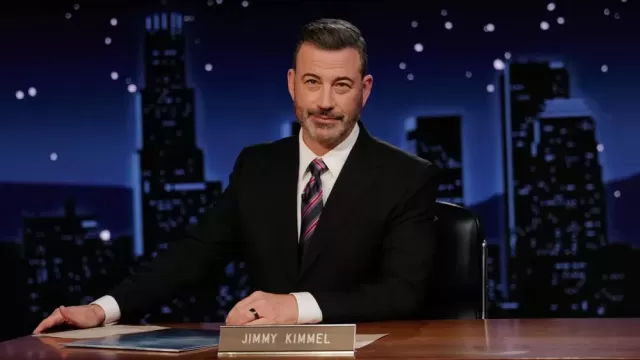
This escalating tension was cast into the spotlight earlier this year with the temporary suspension of late-night host Jimmy Kimmel. In an unusual display of collective power, major station owners Nexstar and Sinclair, which control ABC affiliates in key markets, informed Disney of their intent to preempt Kimmel's show. Their decision came in response to public anger over comments the host made following the murder of Charlie Kirk. After a tense call with affiliates, Disney opted to suspend Kimmel for a week.
In a recent FCC filing, Disney pointed to this very incident, along with past preemptions of shows like NYPD Blue, as evidence that the current regulatory framework is effective. The company argued that local stations already possess and exercise the power to control their own programming, making further government intervention unnecessary.
Local Stations Demand a Reset
Owners of local affiliate stations paint a starkly different picture. In a joint filing, affiliate associations for ABC, CBS, Fox, and NBC are urging the FCC to take "decisive action" to rebalance what they describe as a "lopsided" relationship.
They contend that the once mutually beneficial partnership has deteriorated. While networks relied on affiliates for national distribution, local stations received exclusive access to highly-rated sports and entertainment. This system, they argue, served the public by providing free, over-the-air access to both national content and essential local news. Today, they claim this balance is broken, primarily due to soaring affiliation fees demanded by the networks and the corporate pivot toward proprietary streaming services. Local broadcasters fear that as networks increasingly shift premium content to streaming platforms, the financial viability of local stations is threatened, which could directly lead to cuts in local news and community-focused programming.
Networks Warn of Industry Collapse
The major media corporations have responded to the FCC inquiry with forceful, and at times alarming, arguments. NBCUniversal warned that government meddling could trigger the "demise of broadcasting," while Paramount Skydance called it "counterproductive," and Fox argued it would "hurt the public interest."
Their collective defense rests on two key points. First, they maintain that the current system of private negotiations works and that disrupting it would weaken their ability to compete. Second, they identify a common and formidable adversary: Big Tech. In their filings, networks like Fox, Paramount, and NBCUniversal stressed that they are no longer just competing with cable but with a vast and unregulated digital landscape dominated by giants like Google, Amazon, Netflix, and TikTok.
They argue that a strong, unified network-affiliate model is crucial for survival in this hyper-competitive environment. According to the networks, weakening their position in negotiations would only steer more premium sports and entertainment content away from free broadcast television and onto subscription-based streaming platforms. This shift, they conclude, would ultimately harm consumers by reducing free viewing options and increasing costs. As the debate intensifies ahead of a U.S. Senate oversight hearing, the FCC faces a critical decision that could reshape the future of American television.