UK schools smartphone ban legal challenge
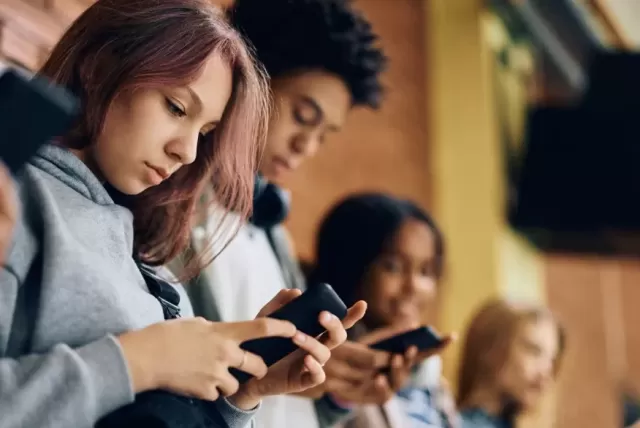
A legal challenge is underway in England, aiming to see smartphones banned from schools. The action, brought against the Secretary of State for Education, Bridget Phillipson, argues that current policies, which leave smartphone use decisions to headteachers, are insufficient and pose a risk to students.
The lawsuit includes Flossie McShea, a 17-year-old who recounted distressing experiences during her time at secondary school. She reported being repeatedly exposed to disturbing content, including pornography, violent incidents like shootings, and even beheadings, shared via smartphones. In addition to these graphic images, Flossie also received threatening messages while at school. She described how, despite home-based parental restrictions, the school environment allowed for easy, unsolicited sharing of content through features like AirDrop, often intended to provoke a reaction. While her school had a "see it, hear it, lose it" policy, Flossie noted its ineffectiveness, with students routinely using phones discreetly in various locations, making it nearly impossible for teachers to police. A particularly impactful incident involved a video of children playing with a gun, which resulted in a fatal accident. This event left Flossie deeply affected, experiencing sleepless nights and lingering psychological distress for years.
Another claimant, Katie Moore, a mother of three, has joined the legal action after her 18-year-old daughter revealed similar disturbing encounters. Her daughter reported being shown explicit material in school changing rooms and through WhatsApp groups, and witnessing a student accessing Omegle, a video chat platform, in a classroom, leading to exposure to sexually explicit acts. The daughter's reluctance to disclose these incidents at the time, fearing repercussions and the confiscation of her phone, highlights a significant barrier to reporting. Katie emphasized the helplessness parents feel when their efforts to protect children at home are undermined by such exposures at school, advocating for a complete prohibition of smartphones to ensure student safety.
The case is supported by evidence from child protection specialists, including Dr. Ciarán Murphy, a former social worker. Lawyers for the claimants assert that there is substantial evidence demonstrating the failure of current government guidance on smartphone policy, which is adopted by a vast majority of secondary schools. They highlight a pattern of serious safeguarding issues occurring both during school hours and during commutes. James Gardner, representing the claimants, stated that the government is aware of the harms associated with smartphones in schools. He criticized the recent safeguarding guidance for missing an opportunity to implement a national ban, suggesting this inaction places children at risk.