U.S. Stock Futures Drop as Trump Revives Tariff Concerns
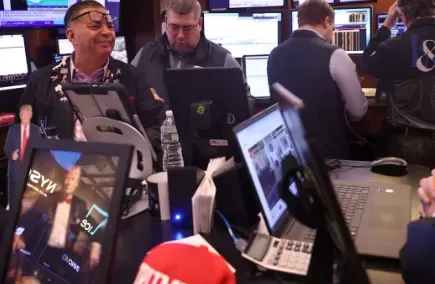
U.S. stock futures are trading lower this morning after President Trump signaled a potential escalation in trade tensions, injecting renewed uncertainty into the market.
The President indicated that he intends to issue letters to trading partners within the next two weeks outlining unilateral tariff rates, a move that comes ahead of a July 9 deadline to potentially reimpose higher duties on numerous countries. This announcement has seemingly countered recent more optimistic statements from administration officials regarding trade negotiations.
Treasury Secretary Scott Bessent, for example, had previously suggested the possibility of extending the current 90-day tariff pause for key trading partners beyond the July deadline, contingent on demonstrated "good faith" in ongoing trade talks. The President's latest statement appears to cast doubt on this possibility.
In response to the news, futures contracts tied to the Dow Jones Industrial Average are down approximately 0.60%. The S&P 500 futures have declined by around 0.41%, and Nasdaq futures are trading roughly 0.35% lower.
Adding to the market's focus today is the release of new inflation data. Investors are closely watching the Producer Price Index (PPI), which measures the prices businesses pay for goods and services. Economists at Bank of America project a 2.3% year-over-year increase in the PPI for May. Excluding the volatile food and energy sectors, the expectation is for a 2.7% rise.
Some economic experts believe that the effects of tariffs could first become apparent at the producer level, before price increases are passed on to consumers. This potential impact on inflation is being carefully monitored.
In corporate news, Oracle recently reported earnings that exceeded analysts' expectations for its fiscal year's final quarter. The company also projected strong growth in its cloud infrastructure revenue, anticipating a rate exceeding 70% in fiscal year 2026, accelerating from the 50% growth rate seen in the prior year.